About Cavity Flooring
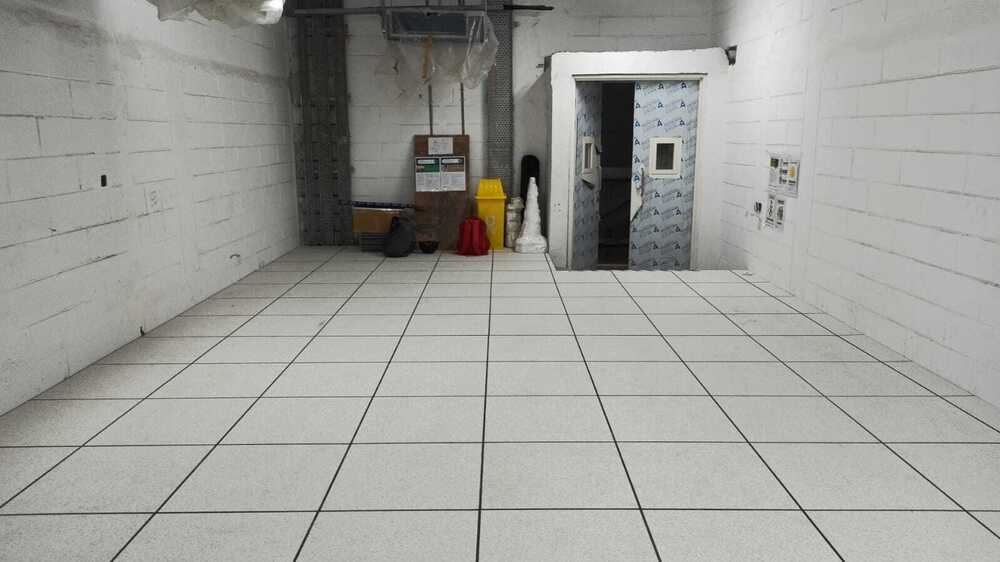
False or raised floors, constructed with materials like plastic, steel, or ceramic, offer versatile solutions for various settings. Their square-shaped tiles, typically made of aluminum alloy, granite stone, or composite flooring, provide a stable base for elevated flooring systems. These floors boast features such as easy installation, fireproofing, low noise emission, anti-slip properties, and antibacterial surfaces. The smooth surface treatment enhances usability and maintenance. False floors efficiently conceal wirings, cables, and HVAC systems, optimizing space and airflow. Their modular design allows for quick reconfigurations. Overall, false/raised floors provide safety, functionality, and adaptability for modern buildings and facilities.
- Supply Ability:2000 Per Day
- Material:Plastic
- Metals Type:Aluminum Alloy
- Feature:Easy To Install, Fireproof, Low Noise Emission
- Shape:Square
- Surface Treatment:Smooth
Superior Load Capacity and Fire ResistanceDesigned to withstand uniformly distributed loads up to 4.5 kN/m2, our cavity flooring is suitable for demanding commercial environments. With Class A fire resistance (EN 13501-1), these panels ensure compliance and safety in critical applications like data centers, server rooms, and control spaces.
Versatile Design and Finish OptionsCustomization is central to our raised access floor system. Available with a variety of finishes-including antistatic HPL, vinyl, laminate, or carpet-compatible surfaces-and edge details such as PVC edge-banding or steel trims, this system adapts seamlessly to your aesthetic and functional needs, even offering custom colors within the grey family.
Flexible Height and Cable Management SolutionsAdjustable pedestals provide floor clearance from 100 to 1200 mm, creating a hidden void for efficient cable routing and service integration. The system's modular design simplifies upgrades and maintenance for evolving workspace requirements.
FAQ's of Cavity Flooring:
Q: How is cavity flooring installed in data centers or office environments?
A: Cavity flooring is installed using a pedestal and stringer system, where adjustable pedestals are fixed to the subfloor and panels are placed securely on the support grid. This modular approach allows for easy access to the underfloor void for maintenance and cable routing.
Q: What fire resistance rating does this raised access flooring system offer?
A: The flooring panels are designed to meet Class A fire resistance or as specified by EN 13501-1 standards, providing reliable fire safety in critical environments such as server rooms and control centers.
Q: When should I use a raised access or cavity flooring system?
A: Raised access floors are ideal in locations where frequent cable, power, or data management is required, such as data centers, offices, control rooms, and other commercial interiors demanding easy service accessibility and flexibility.
Q: Where can these panels be used effectively?
A: These panels are suitable for dry indoor spaces such as data centers, server rooms, offices, commercial spaces, and control rooms, where sound dampening, load capacity, and fire resistance are critical.
Q: What are the available finish and edge detail options?
A: Customers can select from antistatic HPL, vinyl, bare, laminate, or carpet-compatible surfaces. Edge options include durable PVC edge-banding or robust steel trimmed edges, enhancing both aesthetics and protection.
Q: How does the system accommodate different clearance heights?
A: The adjustable pedestal design allows you to select a clearance between 100 mm and 1200 mm, catering to various cable and service routing needs under the floor.
Q: What are the main benefits of using this modular flooring system?
A: This system offers superior load-bearing capacity, fire resistance, low moisture absorption, and flexible cable management. Its modular, removable panels simplify upgrades, maintenance, and reconfiguration, supporting evolving workspace demands.

 Send Inquiry


 Send Inquiry


 Send Inquiry


 English
 Spanish
 French
 German
 Italian
 Chinese (Simplified)
 Japanese
 Korean
 Arabic
 Portuguese